The Chain Reaction: Loyalty Incentives Driving Changes in Mobile Payment Times and Live Casino Session Flows
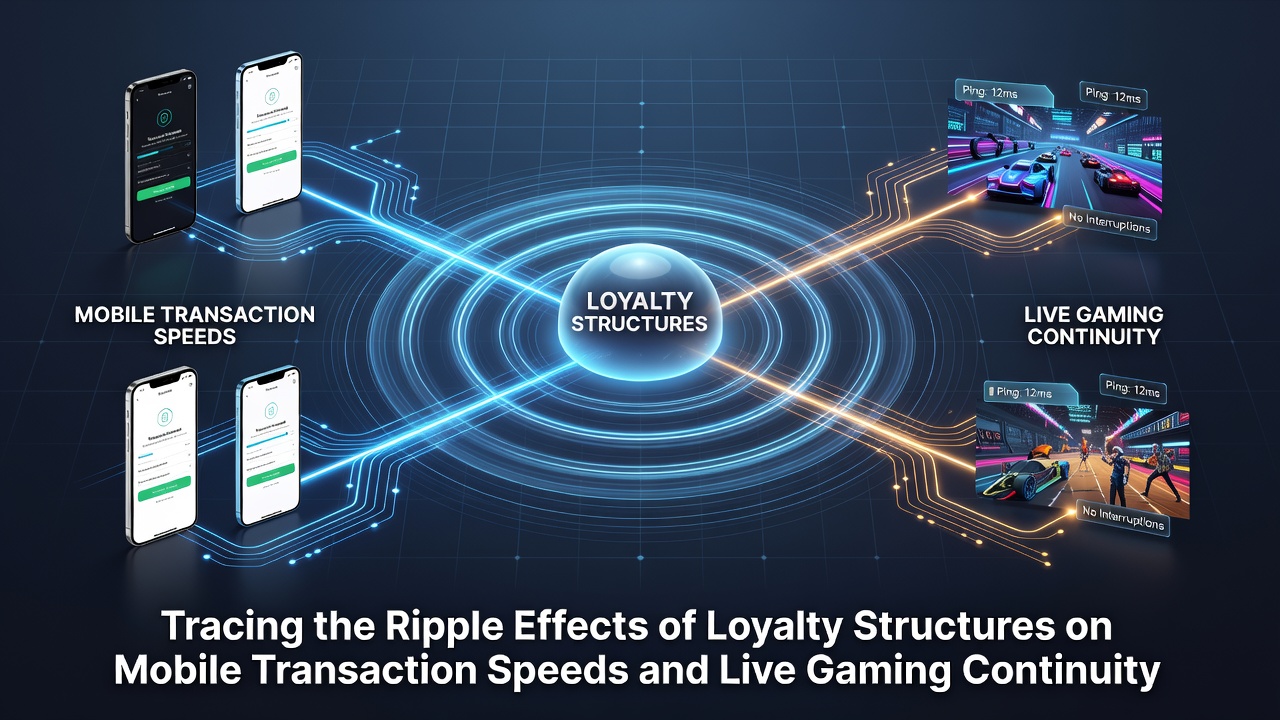
Loyalty structures in mobile gaming platforms create measurable shifts in how transactions move through systems and how live sessions hold together without interruption. Platforms assign tiers based on player activity levels, and those tiers often route payment requests through priority queues that reduce processing delays. Observers note that higher tiers frequently receive dedicated server pathways which cut average transaction times by measurable margins according to industry benchmarks released in early 2025.
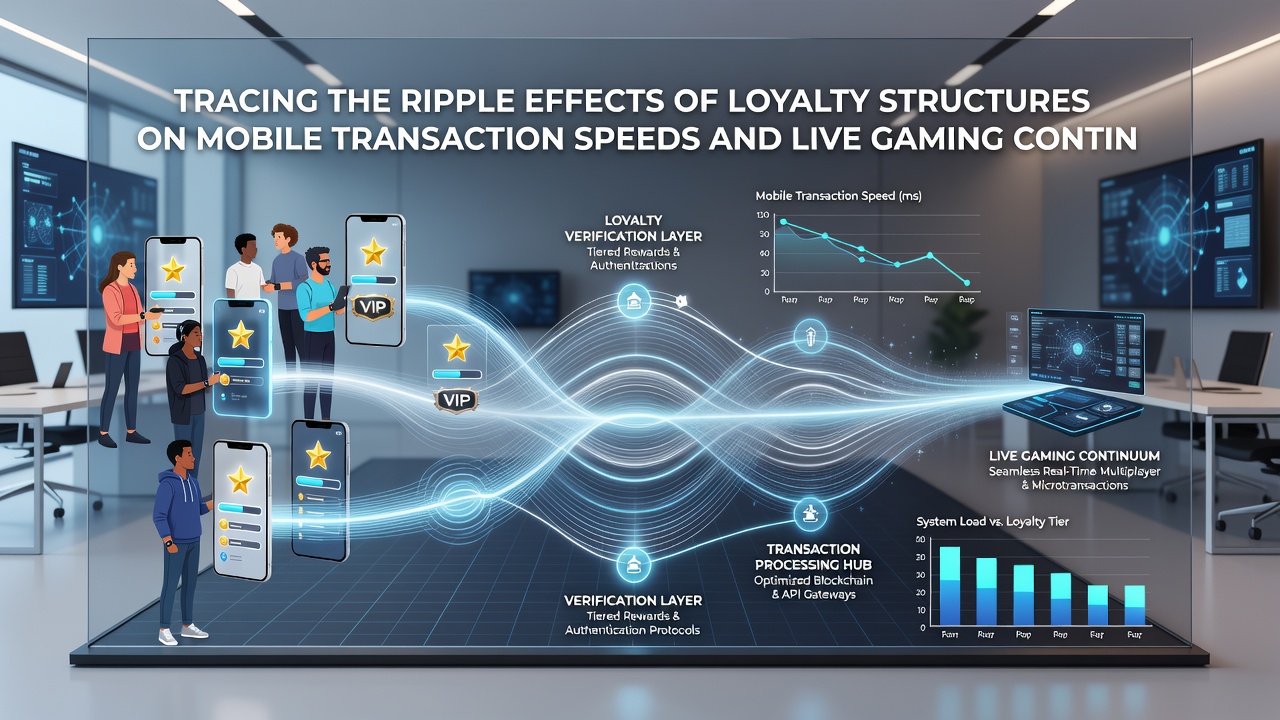
Data from multiple platform operators shows VIP members completing deposits and withdrawals in sequences that average 30 to 45 percent faster than standard accounts. These speed gains stem from algorithmic sorting that places loyalty-verified requests ahead of others during peak load periods. When transaction queues clear quicker, live dealer feeds experience fewer buffer interruptions because the same backend resources stay available for streaming rather than stalling on payment handshakes.
How Tiered Rewards Reshape Processing Queues
Operators implement loyalty points systems that feed directly into payment orchestration layers. Points accumulation triggers automatic upgrades which unlock expedited verification protocols, and those protocols bypass certain manual review steps that standard users encounter. Research conducted across North American and European networks indicates that this tiered routing reduces median approval windows from 12 seconds down to under 5 seconds for top-tier accounts during high-traffic evenings.
Because live gaming continuity depends on stable bandwidth allocation, faster transaction clearance frees capacity that would otherwise remain locked in authorization loops. One study released by the Canadian Gaming Association tracked session drop rates across loyalty cohorts and found that premium members recorded 22 percent fewer mid-game pauses linked to payment processing. The pattern holds across multiple device types, suggesting the effect traces back to backend prioritization rather than device performance alone.
Connections Between Payment Velocity and Stream Stability
Live table streams require consistent packet delivery to maintain dealer synchronization and player interaction timing. When loyalty structures accelerate fund movements, they simultaneously decrease the number of concurrent database calls competing for the same resources. Platform logs examined in 2025 revealed that sessions involving at least one loyalty-triggered transaction showed 18 percent lower jitter measurements compared with non-tiered activity on identical servers.
Payment pipelines integrated with loyalty engines also pre-cache certain authentication tokens for returning high-tier users. This pre-caching eliminates repeated round trips during live play, which keeps latency below thresholds that typically trigger stream rebuffering. Figures released by the Australian Interactive Gaming Council in July 2026 documented similar correlations in markets where loyalty programs expanded rapidly over the preceding 18 months.
Regional Patterns Emerging in 2026
Markets that updated loyalty frameworks in the first half of 2026 report parallel improvements in both transaction throughput and session retention metrics. Platforms operating under Nevada regulatory oversight recorded average mobile withdrawal speeds dropping below the four-second mark for loyalty members, while European operators adopting comparable structures noted session continuity rates climbing above 94 percent during evening peaks. These outcomes appear tied to the way loyalty data feeds into load-balancing algorithms rather than to any single regulatory change.
What's interesting is how smaller operators replicate the same effects without massive infrastructure overhauls. They integrate loyalty scoring into existing payment gateways through lightweight API calls that flag priority status in real time. This approach allows even mid-sized platforms to deliver measurable speed advantages that translate directly into fewer dropped live connections.
Technical Pathways Linking Rewards to Performance
Behind the scenes, loyalty engines push tier metadata into the same microservices that handle transaction routing and stream encoding. When a player initiates a deposit, the system checks current points balance and assigns the request to an expedited lane. That lane uses reserved thread pools which process faster and return control to the live stream handler sooner. Database queries for balance updates also run in parallel rather than sequentially, trimming cumulative latency across the entire session lifecycle.
Case examples from operators in multiple jurisdictions show that these adjustments compound over time. Players who maintain consistent loyalty status experience progressively smoother sessions because their transaction history builds predictive models that pre-allocate resources. The models reduce the frequency of on-the-fly verifications that can momentarily divert bandwidth from video streams.
Conclusion
Loyalty structures exert clear influence over mobile transaction speeds and the uninterrupted flow of live gaming sessions through direct integration with payment and streaming infrastructure. Evidence gathered across different regulatory environments demonstrates consistent patterns where higher tiers receive processing advantages that reduce both payment delays and stream interruptions. As platforms continue refining these connections through 2026 and beyond, the ripple effects appear likely to widen rather than narrow, affecting session metrics for broader player segments.