Payment Protocols Powering Progressive Jackpot Funding in Mobile VIP Casino Programs
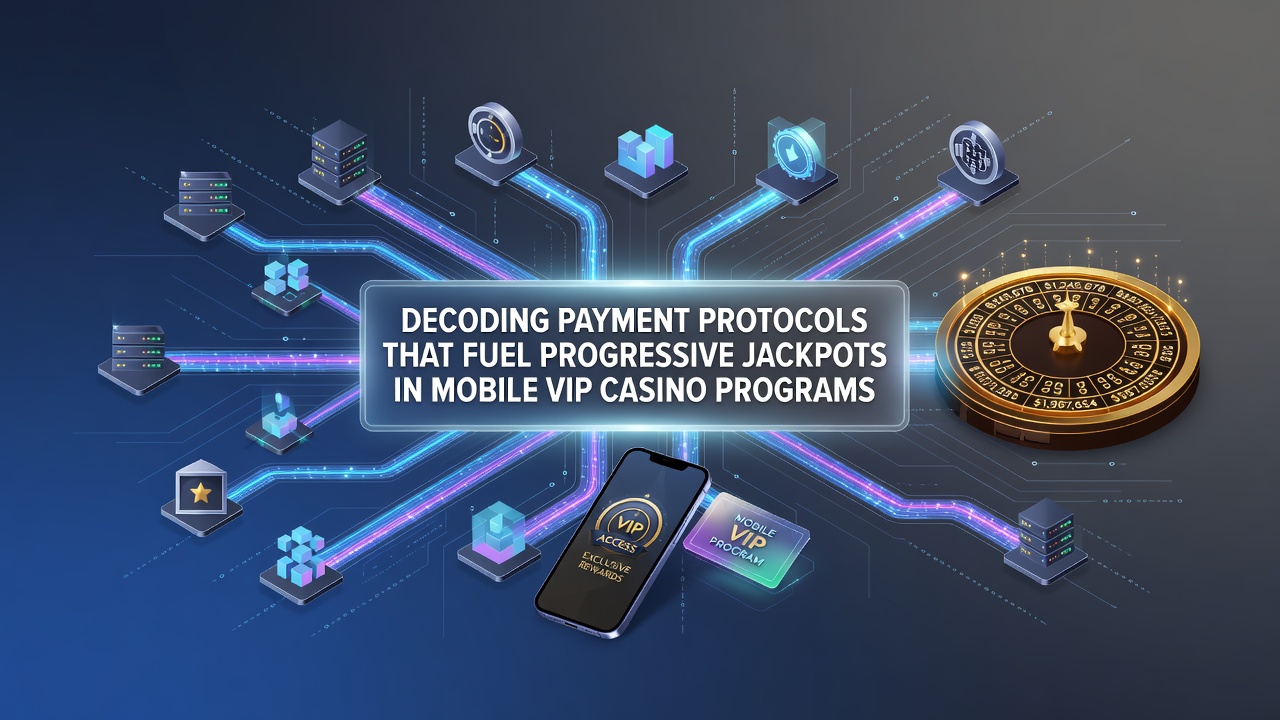
Progressive jackpots accumulate through small contributions from each eligible wager and payment protocols serve as the backbone that moves funds into shared prize pools across mobile VIP casino programs. These systems track player activity in real time while ensuring contributions reach central jackpot servers without delay, and operators rely on standardized protocols to handle deposits, verify transactions, and allocate portions of wagers to growing pots. Mobile VIP tiers add another layer because higher-stakes players often trigger accelerated contributions through bundled payment options that combine instant deposits with automatic jackpot allocations.
Core Mechanics of Contribution Tracking
Each time a player places a qualifying bet the payment gateway deducts a predetermined percentage and routes it to the progressive pool while the remaining amount stays in the game balance. Protocols such as those built on ISO 20022 messaging standards allow this split to occur within milliseconds so the jackpot meter updates across all connected mobile devices almost instantly. VIP programs frequently apply multiplier rules where elite members contribute at elevated rates during specific promotions and the same protocols manage these adjustments by referencing player status databases before finalizing each transaction.
Mobile-Specific Payment Infrastructure
Mobile platforms demand low-latency connections because players expect immediate confirmation that their deposit has funded both the game and the jackpot pool. Tokenized payment methods reduce friction by storing credentials securely on the device yet still transmit the necessary metadata for jackpot tracking servers to recognize the contribution. Research from the University of Nevada Reno Center for Gaming Research shows that tokenized mobile transactions now account for over sixty percent of progressive jackpot contributions in regulated markets and this shift has prompted operators to integrate additional verification layers such as device fingerprinting and behavioral analytics directly into the payment flow.
VIP Tier Integration and Accelerated Pool Growth
VIP programs structure rewards around payment volume and frequency so protocol logic must distinguish between standard and premium accounts when calculating jackpot contributions. A high-tier player depositing through a dedicated VIP channel may see a larger percentage of the wager directed to the progressive meter while still receiving cashback or bonus credits on the same transaction. This dual allocation requires payment processors to maintain synchronized ledgers that update both the player’s personal balance and the communal jackpot total in one atomic operation and any interruption would break the trust that mobile VIP participants place in seamless reward cycles.
Security Protocols and Regulatory Alignment
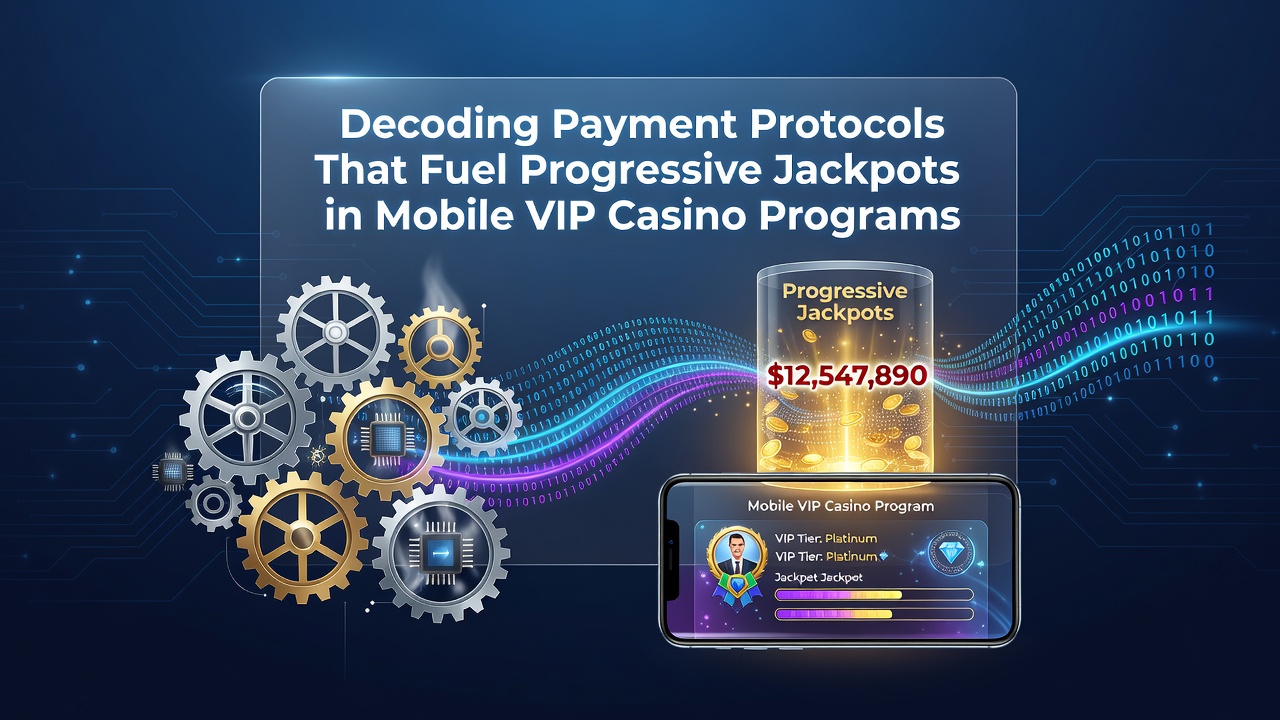
Encryption standards including TLS 1.3 combined with end-to-end tokenization protect the data streams that carry jackpot contribution details between mobile apps and central servers. As of June 2026 several North American jurisdictions have mandated enhanced audit trails for progressive systems so payment protocols now embed immutable transaction identifiers that regulators can query without accessing full player records. These identifiers allow independent verification that every eligible wager contributed the correct percentage while preserving user privacy and operators that fail to maintain such logs face license reviews from bodies such as the Pennsylvania Gaming Control Board.
Real-Time Settlement and Cross-Border Considerations
Many mobile VIP programs operate across multiple regions which means payment protocols must reconcile currency conversions and local tax withholdings before allocating funds to a shared jackpot. Automated clearing houses and blockchain-based settlement rails both appear in current deployments and each offers distinct advantages for speed versus auditability. Observers note that hybrid approaches combining traditional banking rails with distributed ledger confirmations have become common because they satisfy both rapid player expectations and the slower verification needs of jackpot administrators who must certify pool integrity before awarding large prizes.
Case Examples from Operational Platforms
One major operator in the Canadian market implemented a protocol upgrade in early 2025 that linked VIP payment preferences directly to jackpot contribution rates and within six months average pool growth rates increased by eighteen percent according to figures published by iGaming Ontario. Another program in Australia adopted dynamic protocol routing that switches between credit card processors and digital wallets based on real-time network conditions while always preserving the jackpot allocation percentage and player reports indicate fewer dropped transactions during peak evening hours. These examples illustrate how payment protocol refinements translate into measurable growth for progressive prizes without altering game mathematics or regulatory compliance frameworks.
Conclusion
Payment protocols form the invisible infrastructure that keeps progressive jackpots expanding across mobile VIP casino programs by handling precise contribution splits, secure data transmission, and real-time ledger updates. As mobile adoption continues and VIP structures grow more sophisticated the same protocols will evolve to accommodate faster settlement methods and stricter audit requirements while maintaining the seamless experience players expect. The interplay between payment technology and jackpot mechanics therefore remains central to the operational success of these programs worldwide.