Mapping Transaction Flows for Layered Incentives in Mobile Table Play and Progressive Slot Systems
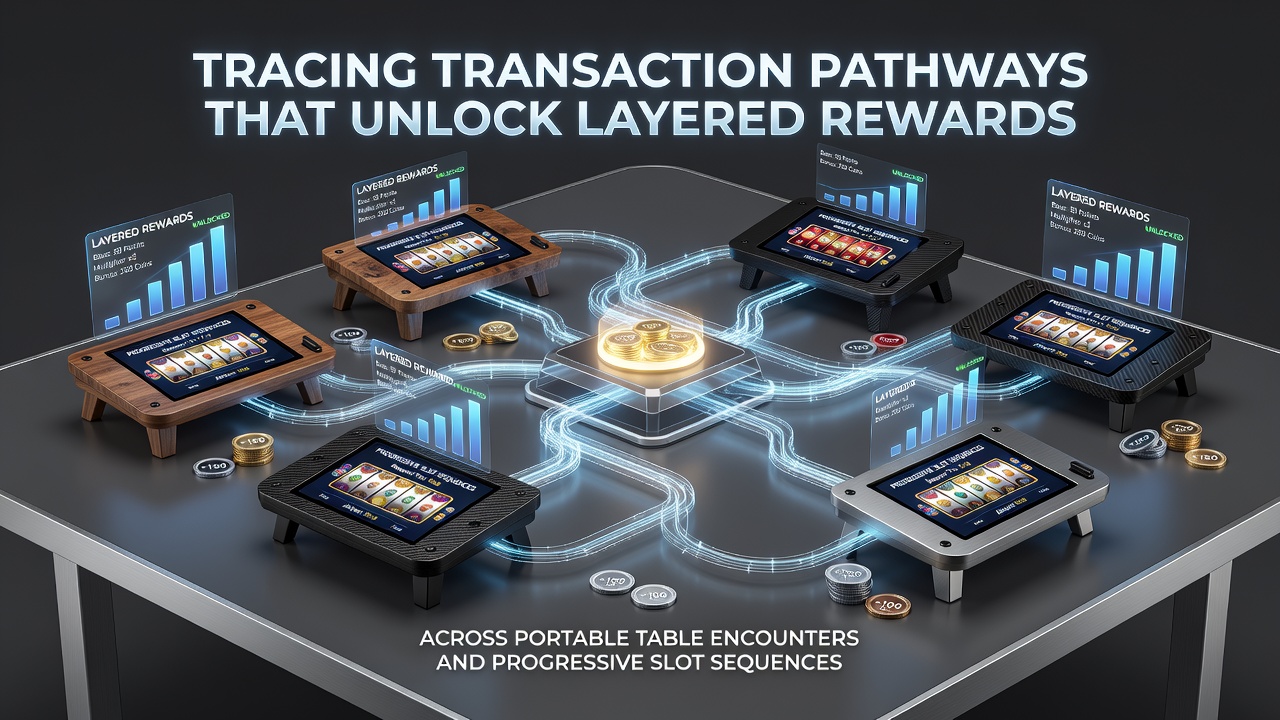 Data from industry tracking systems reveals that transaction pathways in mobile gaming environments connect table encounters directly to slot progressions through shared player accounts and reward ledgers. These pathways operate by recording each wager, win, and deposit event, then routing the data to centralized systems that calculate eligibility for tiered bonuses. Observers note that such integration allows a single session on a portable table game to contribute points toward progressive slot jackpots without requiring separate logins or transfers. Payment processors handle the initial step when funds move from a user's device into the gaming platform. Once deposited, the amount appears in a unified wallet that feeds both table modules and slot engines simultaneously. Researchers at academic institutions studying digital payment networks have documented how these ledgers timestamp every action, creating an auditable trail that operators use to verify reward unlocks. In July 2026 several platforms updated their backend protocols to shorten the delay between table outcomes and slot progression credits from minutes to seconds.
Core Mechanics of Portable Table Encounters
Portable table encounters rely on live dealer streams or random number generator tables accessed through smartphone applications. Each bet placed during these sessions generates a transaction record that includes stake size, game type, and outcome. Systems then match this record against predefined reward criteria, such as minimum total wagers or specific hand combinations. When criteria are met, layered incentives activate automatically and appear as bonus credits or increased jackpot multipliers.
Industry reports indicate that many operators link these table records to loyalty programs that span multiple game categories. A player completing a sequence of blackjack hands, for instance, may see the accumulated activity reflected in a progressive slot meter the next time they open that feature. The connection occurs because both game types share the same player identification token adn transaction database.
Progressive Slot Sequences and Reward Layering
Progressive slot sequences accumulate contributions from every linked wager across the network. Transaction pathways ensure that activity originating from mobile table play feeds into the same pool. Data shows that platforms using unified ledgers report higher participation rates in progressive features because rewards from one game type visibly influence another. When a player switches from a table interface to a slot reel, the system already recognizes prior activity and adjusts payout tables accordingly.
Multiple layers of rewards exist within these sequences. Base progressions increase the jackpot seed, while secondary layers offer instant cashback or free spins tied to volume thresholds. According to figures released by the Nevada Gaming Control Board, cross-category tracking has expanded teh average reward frequency for active accounts by measurable percentages in recent reporting periods.

Security and Compliance in Transaction Routing
Security protocols encrypt each step of the pathway from device to server and onward to reward engines. Compliance frameworks require operators to maintain logs that regulators can review during audits. One study published by the University of Nevada, Reno examined transaction integrity across integrated gaming platforms and found that timestamp synchronization between table and slot systems reduces discrepancies to less than one percent of total events.
External payment gateways add another verification layer by confirming fund movements before they enter the reward calculation pipeline. These gateways transmit confirmation codes that the gaming platform matches against internal records, preventing duplicate or fraudulent credits from entering progressive sequences.
Player Account Integration Across Devices
Account profiles serve as the central node where all transaction data converges. Whether a user accesses table games on a tablet or spins progressive slots on a phone, the same profile identifier routes activity into shared reward pools. This architecture allows operators to present unified progress bars and bonus notifications regardless of the game category being played at any moment.
Case examples from platform analytics teams show that players who engage both table and slot modules within the same session receive layered rewards at higher rates than those who focus on a single category. The pathways automatically detect the combined volume and apply multipliers without manual intervention.
Conclusion
Transaction pathways that connect portable table encounters with progressive slot sequences function through shared databases, encrypted ledgers, and synchronized reward engines. These systems record every wager and outcome, then distribute layered incentives based on cumulative activity. As platforms continue refining their routing protocols, the efficiency of reward delivery across game types continues to improve according to available operational data.