Mapping Connections Across Spinning Reels, Live Interactions, Reward Structures, and Portable Platforms in Digital Gaming Environments
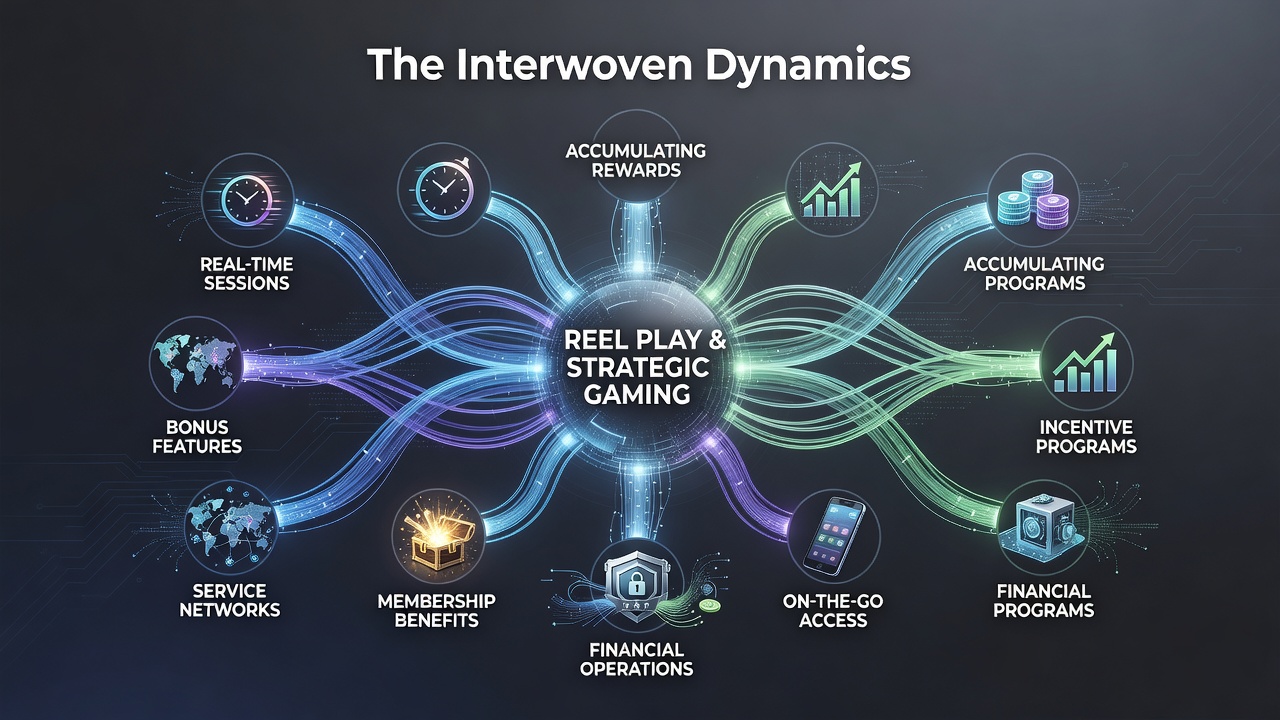
Digital gaming environments link multiple operational layers that together shape player sessions from initial reel spins through strategic table decisions and onward to live dealer exchanges. Reel play forms the foundational activity where random number generators determine outcomes on slot titles, while strategic gaming introduces elements of skill and probability management during card and roulette sequences. Real-time sessions extend these mechanics into live dealer formats where video streams transmit table action directly to user devices. Accumulating rewards occurs through point systems that track activity across all formats and convert engagement into redeemable credits or tier advancements.
Linking Incentive Programs with On-the-Go Access
Incentive programs operate as structured layers that activate during mobile sessions and maintain continuity when players switch between desktop and handheld devices. On-the-go access relies on optimized applications that preserve session states so reel progress, table positions, and accumulated points remain available without interruption. Financial operations support these transitions through integrated payment gateways that process deposits and withdrawals across regions using standardized encryption protocols. Data from the American Gaming Association shows that mobile transaction volumes accounted for over 60 percent of total activity in monitored markets during 2025, with seamless access cited as a primary factor in sustained participation.
Bonus features integrate into both reel and table environments through multiplier triggers, free spin allocations, and side bet enhancements that activate based on predefined thresholds. Membership benefits extend these features by granting tiered access to exclusive promotions and accelerated reward rates once players reach defined activity milestones. Service networks provide the underlying infrastructure that routes support queries, resolves transaction issues, and maintains uptime across distributed server clusters.
Real-Time Sessions and Reward Accumulation Patterns
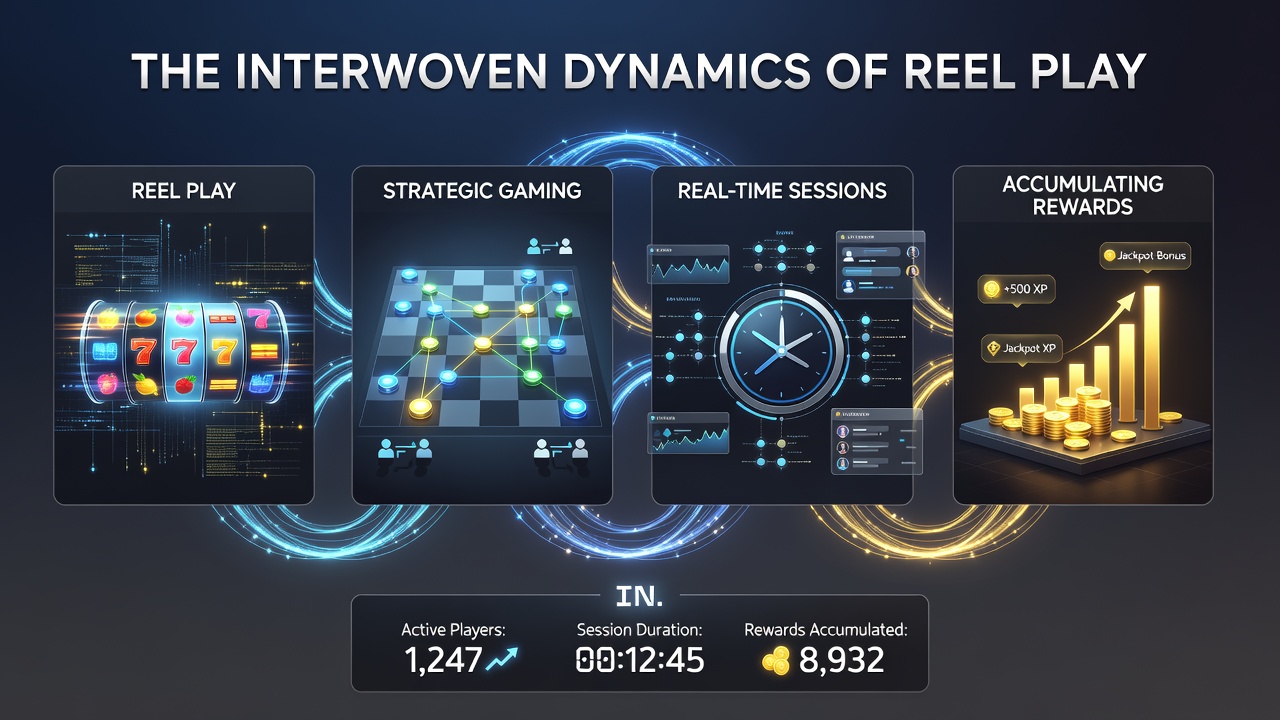
Real-time sessions generate continuous data streams that feed directly into reward accumulation engines, creating feedback loops where live table participation increases point velocity compared with automated reel sequences alone. Observers note that players who combine live dealer rounds with subsequent mobile reel play often reach higher membership tiers within shorter timeframes because the system registers both session duration and wager volume simultaneously. Financial operations handle the resulting balance changes through automated reconciliation processes that update accounts within seconds of each completed round.
Financial Operations and Service Network Coordination
Financial operations coordinate with service networks to verify player identities, process withdrawal requests, and apply bonus wagering requirements before releasing funds. Service networks maintain 24-hour monitoring centers that respond to account queries, technical interruptions, and compliance checks while preserving session continuity for active users. Incentive programs often tie reward releases to verified financial activity, which creates measurable correlations between deposit frequency and tier progression rates according to reports from the Canadian Gaming Association.
Bonus features appear across reel, table, and live formats through distinct trigger conditions that service networks track in centralized databases. Membership benefits scale these triggers according to current tier status, granting higher multipliers or additional rounds once players meet cumulative play thresholds. On-the-go access ensures that these scaled features remain functional during device transitions because application frameworks cache relevant data locally until network reconnection occurs.
Industry Developments Around July 2026
Industry reports project that several markets will implement updated technical standards for live streaming latency and payment settlement times by July 2026. These changes affect how real-time sessions interface with financial operations and how quickly accumulated rewards convert into usable balances. Service networks prepare for the transition by upgrading routing protocols, while membership programs adjust tier qualification windows to align with new reporting cycles. Researchers at the University of Nevada, Las Vegas documented similar standardization efforts in earlier regulatory phases and found measurable reductions in session abandonment rates once latency thresholds dropped below 200 milliseconds.
Strategic gaming elements benefit from these infrastructure improvements because table decision timelines shorten when live feeds maintain consistent quality. Reel play sessions gain stability through the same network enhancements since automated spin sequences require less bandwidth yet still depend on synchronized reward ledgers. Incentive programs expand their reach by offering time-limited activations that activate automatically during mobile sessions once players complete required verification steps.
Conclusion
The dynamics described above demonstrate measurable interconnections among reel mechanics, live interactions, reward systems, and mobile platforms. Financial operations and service networks serve as the connective tissue that allows incentive programs and membership benefits to function across formats without disruption. Continued infrastructure upgrades scheduled around July 2026 are expected to refine these linkages further while maintaining compliance with regional technical requirements. Data from multiple industry sources indicates that platforms integrating these elements report higher average session lengths and more consistent reward redemption activity across user segments.