Manchester Police Execute Targeted Raid on Unlicensed Gambling Location, Securing Two Arrests and Equipment Seizures

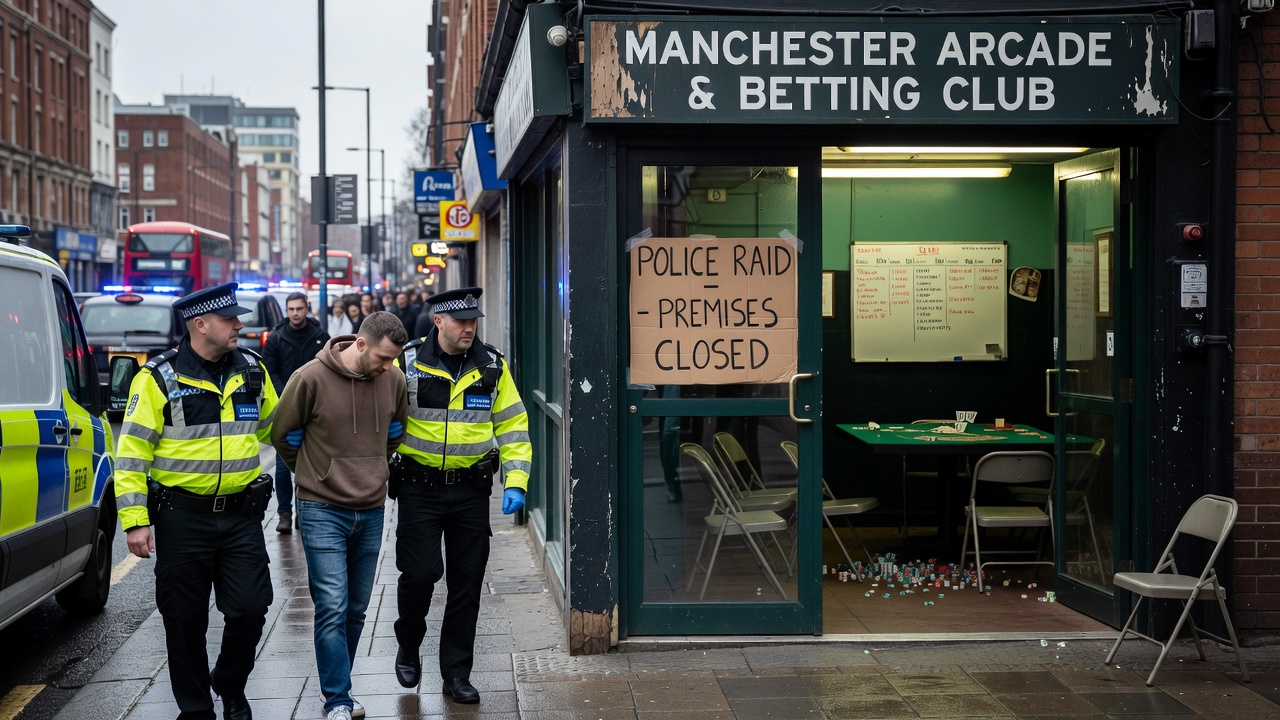
Authorities carried out a joint police operation at a suspected unlicensed gambling venue in Manchester last week, which led directly to two arrests along with the seizure of cash and gambling equipment, and the action focused specifically on illegal gambling activity according to reports from the region.
Details of the Enforcement Action
Officers moved in on the location as part of coordinated efforts to address unlicensed operations, and they took two individuals into custody while removing substantial amounts of cash plus various pieces of gambling equipment from the premises. The venue had drawn attention because it operated without required licensing approvals, which placed it outside regulated frameworks that govern legal gambling establishments across the United Kingdom.
Joint teams combined resources to execute the raid efficiently, and this approach allowed for thorough documentation of evidence on site before any items left the location. Those arrested now face proceedings under relevant statutes that prohibit unlicensed gambling activities, while the seized materials undergo standard processing for use in subsequent legal reviews.
Context Surrounding Unlicensed Venues
Such locations often attempt to function outside oversight mechanisms that require operators to meet strict standards for player protection and financial transparency, yet enforcement actions like the one in Manchester demonstrate ongoing monitoring by law enforcement agencies. Data from similar past interventions shows that cash seizures frequently represent proceeds tied directly to the illegal sessions held at these sites, and equipment removals help prevent immediate resumption of unauthorized activities.
Observers note that joint operations typically involve multiple units working in tandem to cover different aspects of the investigation, ranging from initial surveillance to on-site execution and evidence handling. In this instance the focus remained narrow on the Manchester site, which meant resources concentrated on confirming the lack of proper authorization before proceeding with arrests and confiscations.
Legal Pathways Following the Raid
After the arrests, standard protocols direct that suspects receive formal charges where evidence supports violations of gambling regulations, and courts then evaluate the materials collected during the operation. Cash and equipment enter a chain of custody process designed to maintain integrity for any hearings, while additional inquiries may examine how the venue attracted participants and maintained operations without detection for an extended period.
Researchers from institutions such as the National Criminal Justice Reference Service have documented patterns in enforcement outcomes across various jurisdictions, which reveals that targeted raids often disrupt networks attempting to bypass licensing requirements. Those networks sometimes rely on temporary setups that relocate when pressure increases, yet coordinated responses by authorities reduce the viability of repeated attempts in the same area.
Further examination of records from comparable cases indicates that seized equipment usually includes tables, machines, and related accessories tailored for games of chance, all of which must be verified against licensing databases to establish their unauthorized status. The Manchester action aligns with this established procedure, and authorities continue to review connections between the arrested individuals and any broader operational elements.
Broader Implications for Regional Enforcement
Enforcement teams across the region maintain vigilance over potential unlicensed sites through intelligence gathering and community reports, which feed into planning for operations like the recent Manchester raid. This method ensures that actions remain evidence-based rather than speculative, and it allows agencies to allocate personnel effectively when multiple locations require attention simultaneously.
Industry reports from organizations such as the International Association of Gaming Regulators highlight that consistent application of enforcement measures supports overall compliance rates in regulated markets. Data compiled in these reports shows measurable declines in unlicensed activity within areas that experience regular joint operations, because operators recognize the elevated risk of detection and subsequent penalties.
Those who track regulatory developments note that seizures of cash during raids provide direct insight into the scale of transactions occurring at unlicensed venues, and such figures assist in refining future resource deployment strategies. The Manchester case adds another data point to these ongoing assessments without overlapping unrelated incidents or trends.
Conclusion
The joint operation in Manchester last week produced clear results through two arrests and the removal of cash along with gambling equipment from the suspected unlicensed venue. Legal processes now advance based on the collected evidence, while authorities maintain standard procedures for handling similar matters. This single enforcement action underscores the mechanisms available to address illegal gambling activity when specific locations come under scrutiny.