Guardian and Investigate Europe Uncover Curaçao Casino Network Dodging UK Self-Exclusion, Linked to Tragic Gambling Losses
Guardian and Investigate Europe Uncover Curaçao Casino Network Dodging UK Self-Exclusion, Linked to Tragic Gambling Losses

The Joint Probe That Lifted the Lid
A collaborative effort between the Guardian and Investigate Europe has exposed a sprawling network of unlicensed online casinos targeting UK players, revealing operations run by Santeda International from Curaçao and connected to Georgian businessmen including Tornike Tvauri, Alexander Makashvili, and Mikheil Merebashvili; these sites, among them MyStake, Velobet, and Goldenbet, manage to evade self-exclusion tools like GamStop, pulling in vulnerable gamblers who thought they'd blocked themselves from betting. Data from the investigation shows these platforms averaged 2.3 million unique UK visitors each month between November 2025 and January 2026, a figure that underscores their reach despite lacking UK licenses. What's interesting is how this network thrives offshore, using Curaçao's lighter regulatory touch to offer games that UK-regulated sites can't match in terms of accessibility for excluded players.
Investigators pieced together the connections through company records, financial trails, and site analyses, finding Santeda International at the helm; the firm operates at least eight such casinos, each mirroring similar designs, payment options, and promotional tactics tailored to lure British users. People who've tracked offshore gambling note that Curaçao-issued licenses often serve as a gateway for operators dodging stricter jurisdictions, and here the ball's in the court of international regulators to close those gaps. Turns out, the Georgian links add another layer, with Tvauri and his associates appearing in multiple corporate filings tied to these ventures.
How the Network Bypasses Safeguards
These casinos sidestep GamStop by simply not integrating with the UK's self-exclusion database, allowing anyone registered there to sign up freely; GamStop, launched years back to help problem gamblers take a break across licensed sites, holds no sway over unlicensed foreign operators, so players find themselves able to deposit and play without barriers. Observers point out that this creates a loophole big enough to drive a truck through, especially since the sites advertise heavily on social media and affiliate networks popular in the UK. But here's the thing: while UK players might chase the thrill, the lack of oversight means no protections against excessive losses or addiction triggers.
Figures reveal the scale; 2.3 million unique visitors monthly isn't just a blip, it's a flood, with traffic peaking during evenings when UK bettors are most active. Experts who've studied similar networks, like those detailed in a European Gaming and Betting Association report on offshore risks, highlight how such sites often use VPN-friendly setups and crypto payments to mask user locations, making enforcement a nightmare. And yet, the draw persists because these platforms offer high-stakes slots, live dealers, and bonuses that feel unrestricted.
A Human Cost: The Case of Ollie Long
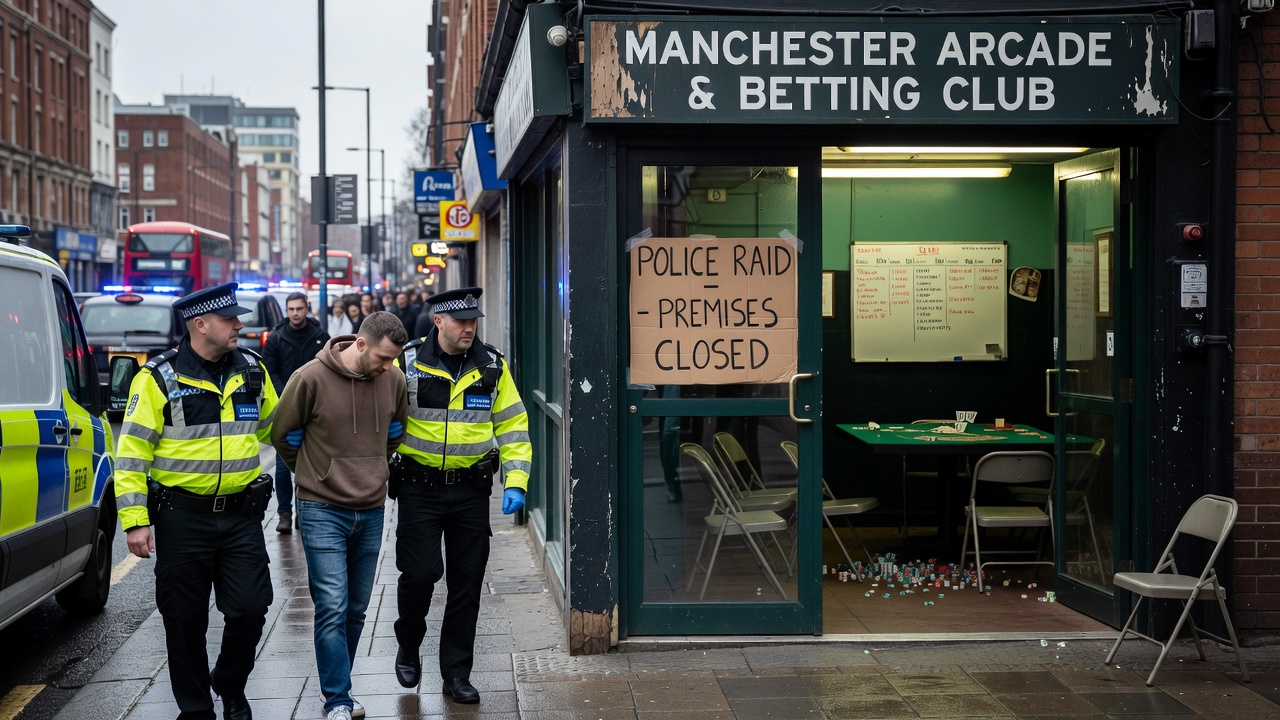
Tragedy struck in one documented instance when 36-year-old Ollie Long took his own life, an inquest in January 2026 ruling it tied to gambling harm from these very unlicensed sites; coroners noted his heavy play on platforms like those in the Santeda network, where self-exclusion failed him completely. Those close to such cases often discover how quickly losses spiral without intervention, and Long's story, now public through the Guardian's reporting, serves as a stark example. It's noteworthy that his inquest highlighted the role of offshore casinos in bypassing safeguards, prompting wider scrutiny.
Research indicates gambling-related suicides have risen alongside online access, with data from international bodies echoing this; for instance, studies by the World Health Organization on gaming disorder show how easy access exacerbates risks, particularly for those already vulnerable. In Long's situation, debts mounted fast on sites offering credit lines and rapid withdrawals, turning what started as casual spins into a devastating cycle.
Industry Shake-Up and Software Severance
Upgaming, the software provider powering many of these casinos' games and back-end systems, cut ties with Santeda International shortly after the April 2026 revelations hit; the move came amid public backlash and internal reviews, signaling how exposés can ripple through supplier chains. Providers like Upgaming rely on client vetting, but when networks like this surface, they face reputational hits that force quick action. Now, with the partnership dissolved, those sites scramble for alternatives, though the damage lingers in player trust.
What's significant is the broader pattern; similar severances have occurred before when investigations spotlight non-compliant operators, and here it underscores the interconnected web of offshore gaming tech. Players who've navigated these platforms report seamless interfaces at first, but the lack of accountability shows up in delayed payouts or unresolved disputes.
Calls for Tighter Global Controls
The exposé has fueled demands for stronger measures against hard-to-regulate operations, with stakeholders urging better cross-border cooperation; while the UK Gambling Commission weighs responses, international bodies like Curaçao's gaming overseers face pressure to scrutinize licensees more rigorously. Data shows such networks adapt fast, migrating domains or rebranding, which is why observers push for tech solutions like unified blacklists or AI-driven traffic blocks.
And in April 2026, as the story unfolds, conversations intensify around harmonizing rules across jurisdictions; take Curaçao, where Santeda holds its base, its eGaming licenses have long been criticized for leniency, allowing operators to target restricted markets. Those who've followed the beat know enforcement relies on collaboration, from freezing assets to site takedowns, yet progress crawls. So, while Upgaming's exit marks one win, the network's resilience suggests more battles ahead.
One study from Australian regulators, detailed in a communications authority overview, mirrors this, showing how offshore sites evade blocks through mirrors and proxies, a tactic likely at play here too. UK visitors, averaging over two million monthly, keep the revenue flowing despite risks.
Looking Ahead: The Push for Accountability
Revelations from the Guardian and Investigate Europe spotlight not just one network but a systemic challenge in online gambling, where Curaçao operations like Santeda's draw millions while dodging self-exclusion; the 2.3 million UK visitors from late 2025 into early 2026, coupled with cases like Ollie Long's, drive home the human stakes. Upgaming's severance offers a glimpse of accountability in motion, yet the Georgian-backed sites persist, adapting to scrutiny.
Experts observe that without unified international action—think shared databases or stricter offshore licensing—the loopholes remain wide open; players continue to stumble in, chasing wins on MyStake, Velobet, or Goldenbet, unaware of the shadows behind them. It's clear the story doesn't end here, as April 2026 brings fresh calls for reform, reminding everyone that in gambling's global game, vigilance is key. The writing's on the wall: networks evolve, but so must the defenses.