Digital Handshakes: How Transaction Protocols Elevate Loyalty Programs in On-the-Go Casino Environments
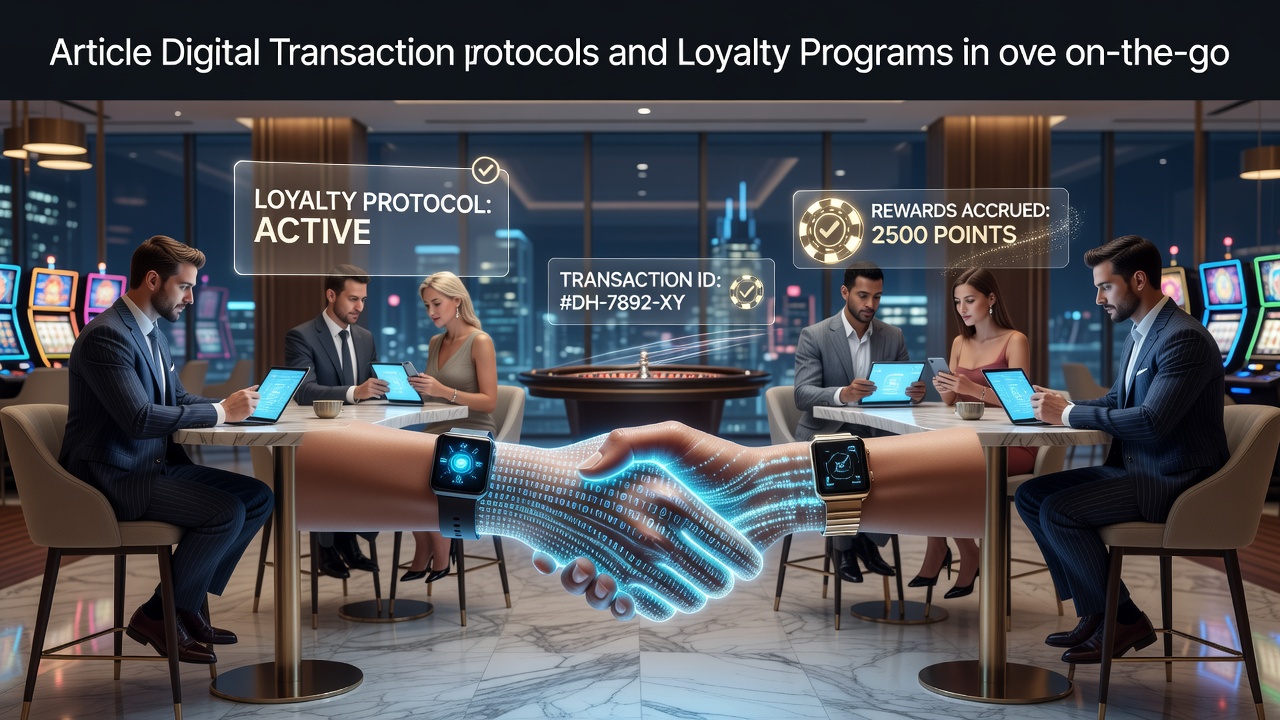 Transaction protocols function as encrypted communication sequences between player devices and casino servers, allowing instant verification of deposits, withdrawals, adn reward allocations in mobile environments. These digital handshakes rely on layered authentication methods including tokenization and multi-factor checks that complete in milliseconds while maintaining compliance with data protection standards. Observers note that such systems enable loyalty programs to update player balances in real time rather than relying on batch processing that once delayed point credits by hours or days. Research from the American Gaming Association indicates mobile gambling sessions now account for over 60 percent of total wagers in regulated markets where instant payment rails operate. This shift has prompted operators to link transaction protocols directly to loyalty tiers so that every verified deposit or bet triggers automatic point awards without manual intervention. Data from the 2025 Global Gaming Report shows operators integrating these protocols recorded a 28 percent increase in repeat mobile sessions compared with platforms using slower legacy systems.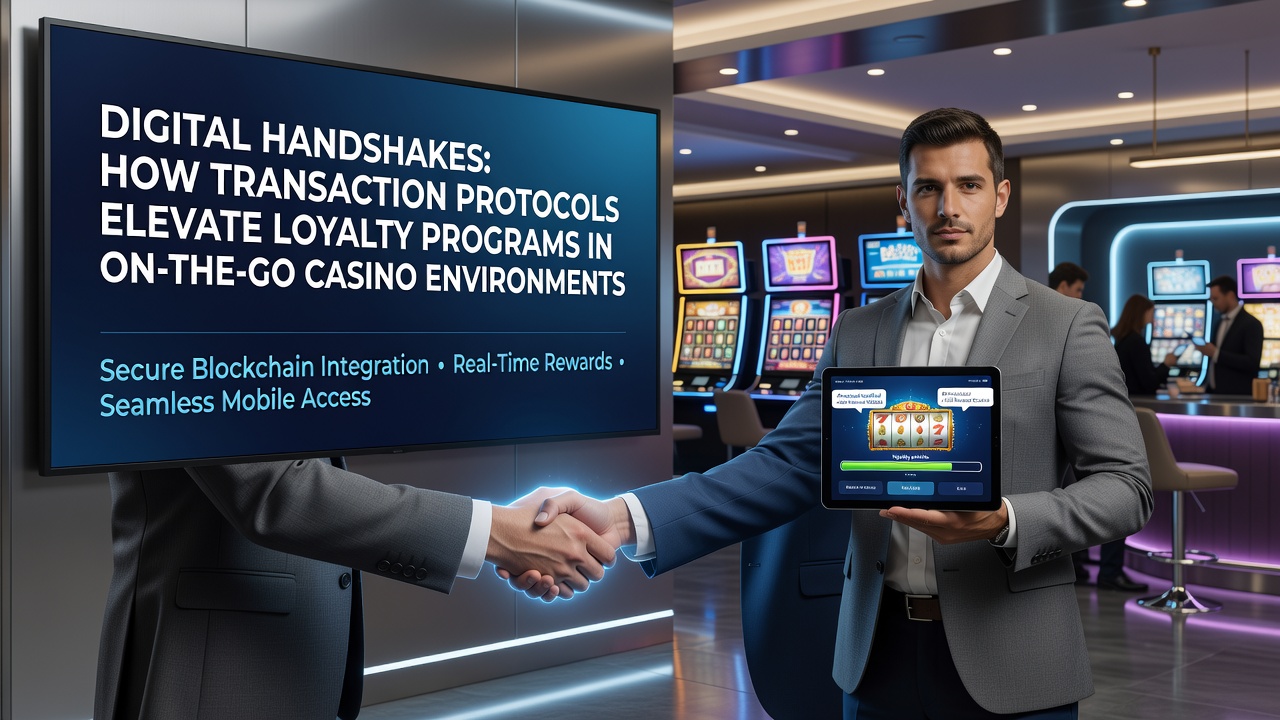
Transaction protocols function as encrypted communication sequences between player devices and casino servers, allowing instant verification of deposits, withdrawals, adn reward allocations in mobile environments. These digital handshakes rely on layered authentication methods including tokenization and multi-factor checks that complete in milliseconds while maintaining compliance with data protection standards. Observers note that such systems enable loyalty programs to update player balances in real time rather than relying on batch processing that once delayed point credits by hours or days. Research from the American Gaming Association indicates mobile gambling sessions now account for over 60 percent of total wagers in regulated markets where instant payment rails operate. This shift has prompted operators to link transaction protocols directly to loyalty tiers so that every verified deposit or bet triggers automatic point awards without manual intervention. Data from the 2025 Global Gaming Report shows operators integrating these protocols recorded a 28 percent increase in repeat mobile sessions compared with platforms using slower legacy systems.Protocol Mechanics and Real-Time Reward Integration
Secure sockets layer handshakes combined with application programming interfaces create the backbone for these interactions, exchanging session keys that confirm both identity and transaction validity before any funds move. Loyalty engines then receive the same confirmation stream, converting wager amounts into tier points or bonus credits within the same encrypted channel. Those who've studied these deployments report that the unified data flow eliminates discrepancies between balance updates and reward ledgers that previously frustrated mobile users. In July 2026 several European operators began testing quantum-resistant encryption within their transaction protocols, a step taken ahead of anticipated regulatory timelines across multiple jurisdictions. This upgrade maintains backward compatibility with existing loyalty databases while adding protection against future computational threats. Figures from the European Gaming and Betting Association reveal that platforms adopting similar protocol enhancements saw loyalty program participation rates climb by 19 percent within the first quarter of rollout.Impact on Player Retention and Tier Progression
Mobile loyalty programs gain measurable advantages when transaction protocols feed continuous data streams into tier algorithms. Players advancing through bronze, silver, gold, and platinum levels receive immediate visual feedback on their devices once a qualifying wager clears the handshake sequence. Industry reports compiled by the Canadian Partnership for Responsible Gambling note that real-time tier updates correlate with longer average session durations because participants can track progress without leaving the app interface. Case examples include operators in Australia who embedded protocol-level triggers for cashback offers that activate automatically after predefined loss thresholds, all processed through the same verification pipeline used for deposits. These automated layers reduce the need for separate support tickets while ensuring every eligible player receives rewards without delay. What's interesting is how the same infrastructure also supports cross-game loyalty where points earned on slots transfer instantly to live dealer tables once the protocol confirms the session continuity.