Charting Sequential Reward Pathways Across Multi-Format Digital Entertainment Ecosystems
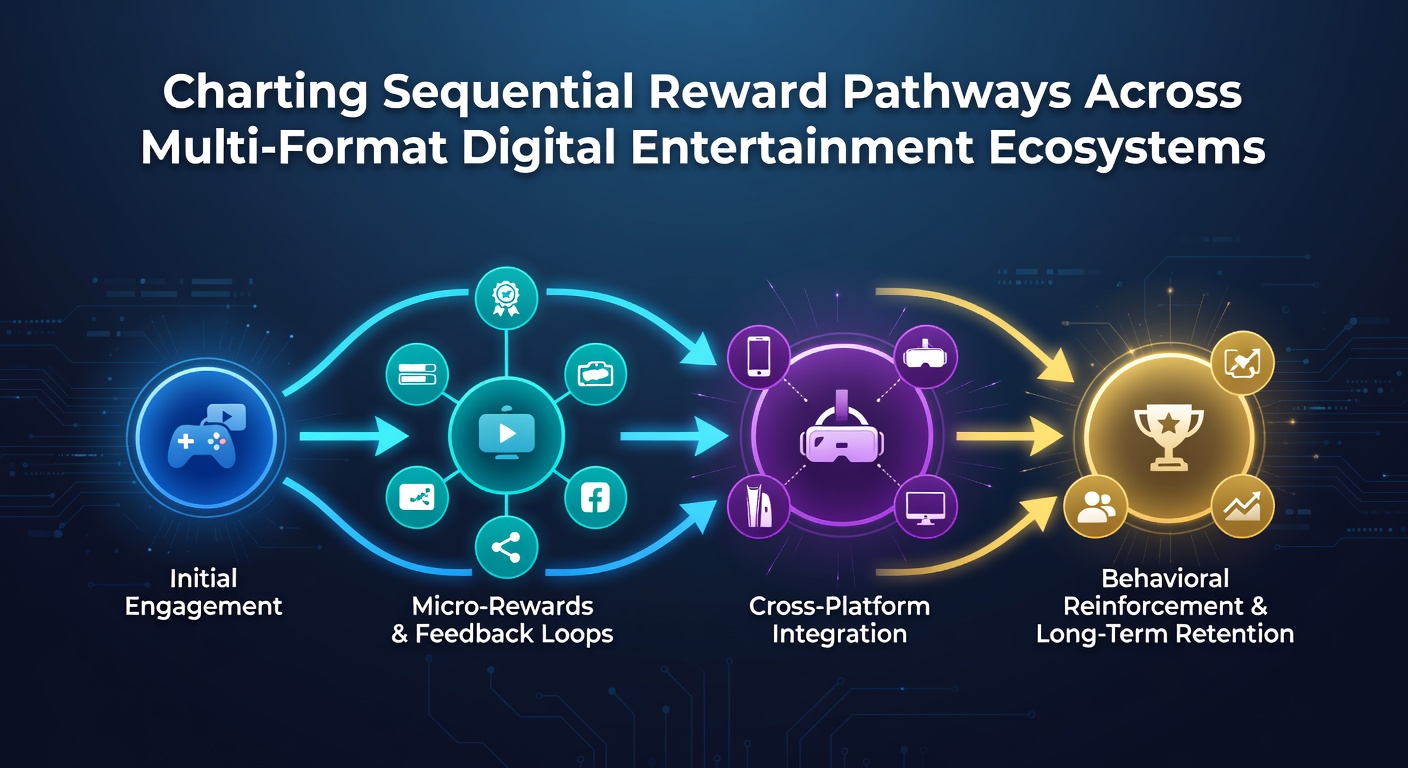
Sequential reward pathways in digital entertainment refer to structured progressions where users unlock achievements, points, or access tiers through consistent engagement across multiple device formats and content types, and these systems have expanded significantly in recent years as platforms integrate mobile, console, and cloud-based services into unified experiences.
Core Mechanisms Driving Cross-Format Progression
Platforms build these pathways by linking user actions on one format to rewards available on another, such as completing challenges in a mobile application that grants bonus content for console versions or streaming services, while data synchronization ensures continuity regardless of the device in use. Researchers at various institutions have documented how these linkages rely on centralized user accounts, API connections between services, and algorithmic tracking that maps activity sequences to escalating reward levels, and this approach appears in entertainment sectors ranging from interactive media to subscription video libraries.
According to industry reports from the Entertainment Software Association, reward structures often follow a tiered model where initial engagements generate base points that feed into higher-value unlocks, and these points carry over when users switch between handheld devices and larger screens. The process creates continuity because backend systems log every interaction in real time, allowing pathways to advance without interruption even when users alternate between formats during a single session.
Examples of Integrated Reward Sequences
One documented case involves gaming networks that connect mobile puzzle applications to console adventures, where daily login streaks on smartphones accumulate toward exclusive in-game items usable on home systems, and similar patterns show up in music platforms that reward playlist creation on tablets with offline access privileges on connected speakers. Observers note that these sequences often incorporate time-based elements, such as weekly challenges that reset on specific dates, which encourages regular returns across devices while maintaining a record of prior accomplishments.
Another illustration comes from video streaming services that tie viewing milestones on smart televisions to companion app features, granting users badges or priority recommendations that persist when they switch to mobile viewing later in the day. Data from multiple platform analyses indicates that such cross-format tracking increases overall session duration because participants see tangible advancement tied directly to their multi-device habits.
Role of Data Analytics and User Tracking
Analytics tools play a central part in charting these pathways by aggregating behavioral metrics from diverse sources and then mapping them onto reward trees that span formats. Studies released by academic groups in Canada and the European Union have examined how machine learning models predict which sequence steps will retain users longest, and these models adjust reward density based on aggregate patterns observed across millions of accounts. The result is a dynamic system where pathways evolve according to collective behavior rather than remaining static.
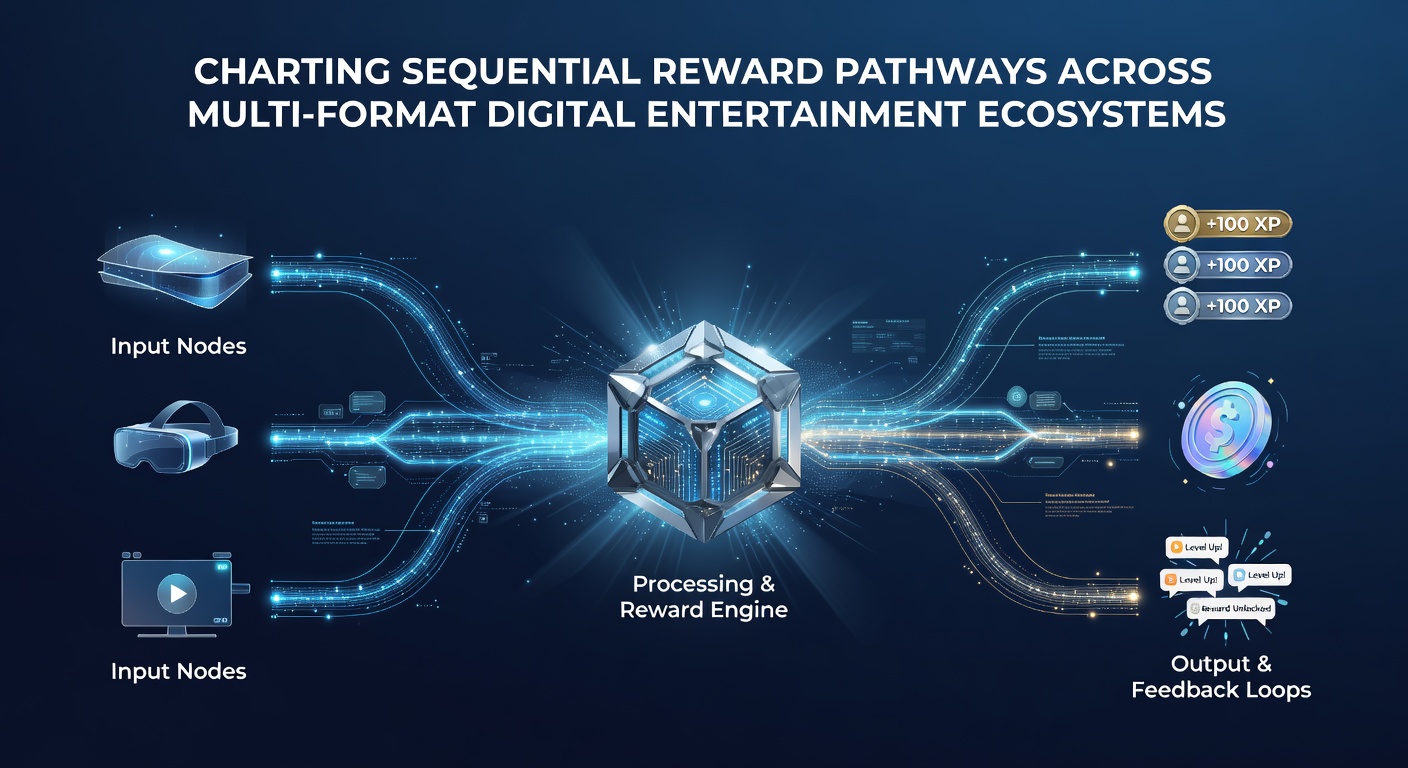
Yet the underlying architecture stays consistent: each completed action registers as a node in a larger graph, and subsequent nodes become available only after earlier ones are satisfied. This node-based design allows platforms to introduce new reward branches without disrupting existing user progress, and it supports expansion into emerging formats such as augmented reality overlays or cloud gaming sessions.
Developments Projected for May 2026
Industry observers anticipate that by May 2026 several major providers will introduce standardized reward exchange protocols that permit points earned in one entertainment ecosystem to convert into benefits in another, and preliminary testing of these protocols has already appeared in closed beta environments. Government agencies in Australia and regulatory bodies in select Asian markets have begun reviewing draft guidelines around transparency in these exchanges, focusing on how conversion rates are communicated to users before they commit to cross-platform sequences.
Figures from recent market analyses reveal that adoption rates for multi-format reward systems continue to climb, particularly among younger demographics who routinely move between four or more device types daily. The expansion creates new opportunities for content creators to design experiences that deliberately span formats, and it also raises questions about data portability when users decide to consolidate or change their primary accounts.
Conclusion
Sequential reward pathways now form a foundational element of digital entertainment design because they tie user activity across formats into coherent progressions that sustain long-term participation. As platforms refine the technical links and regulatory frameworks mature, these systems are expected to grow more interconnected while preserving the core principle that each action builds directly on the last. The landscape continues to shift as new formats emerge and existing ones integrate more deeply, yet the emphasis on traceable, sequential advancement remains constant across the ecosystem.